Page content
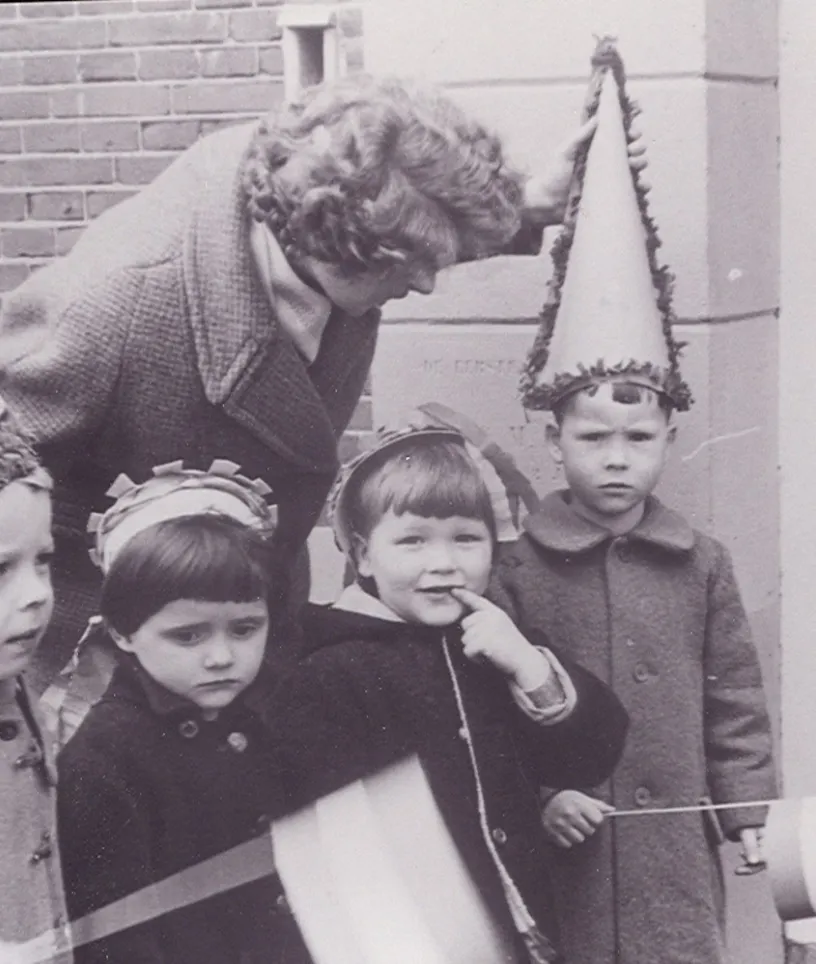
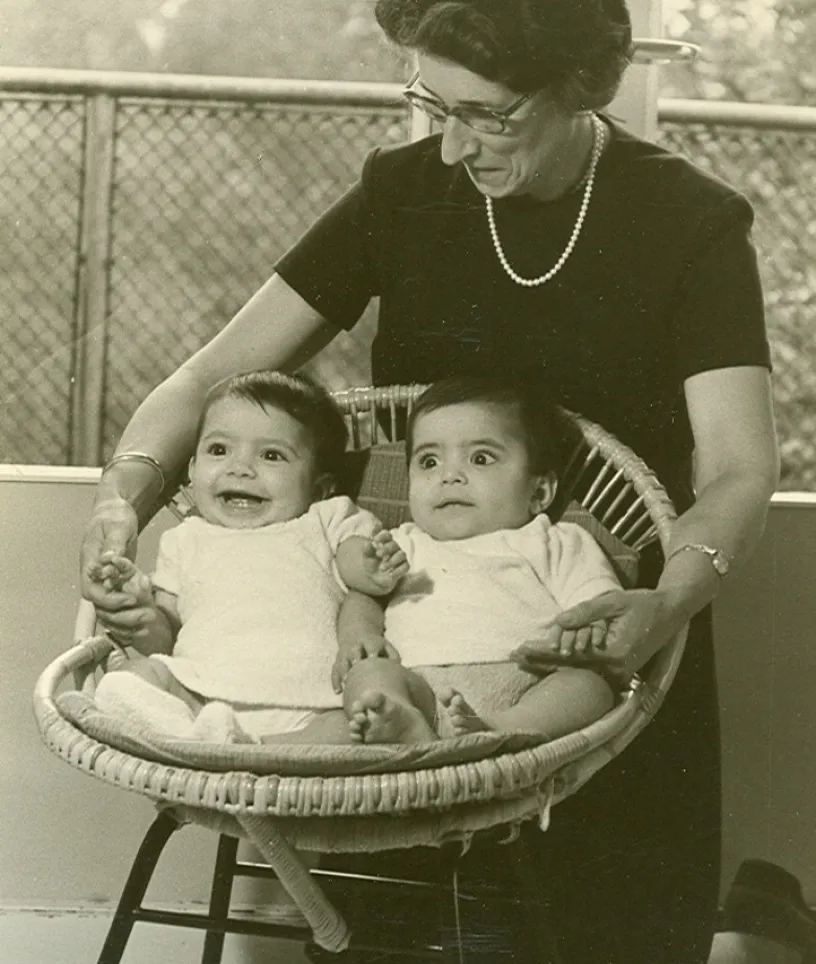
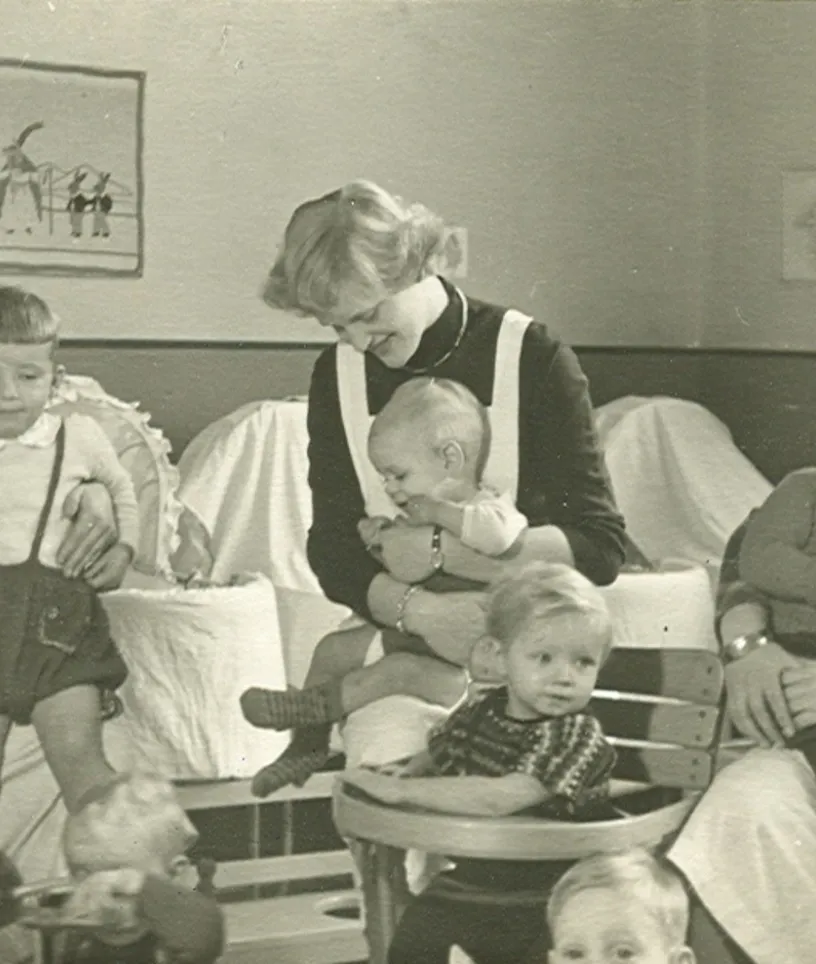
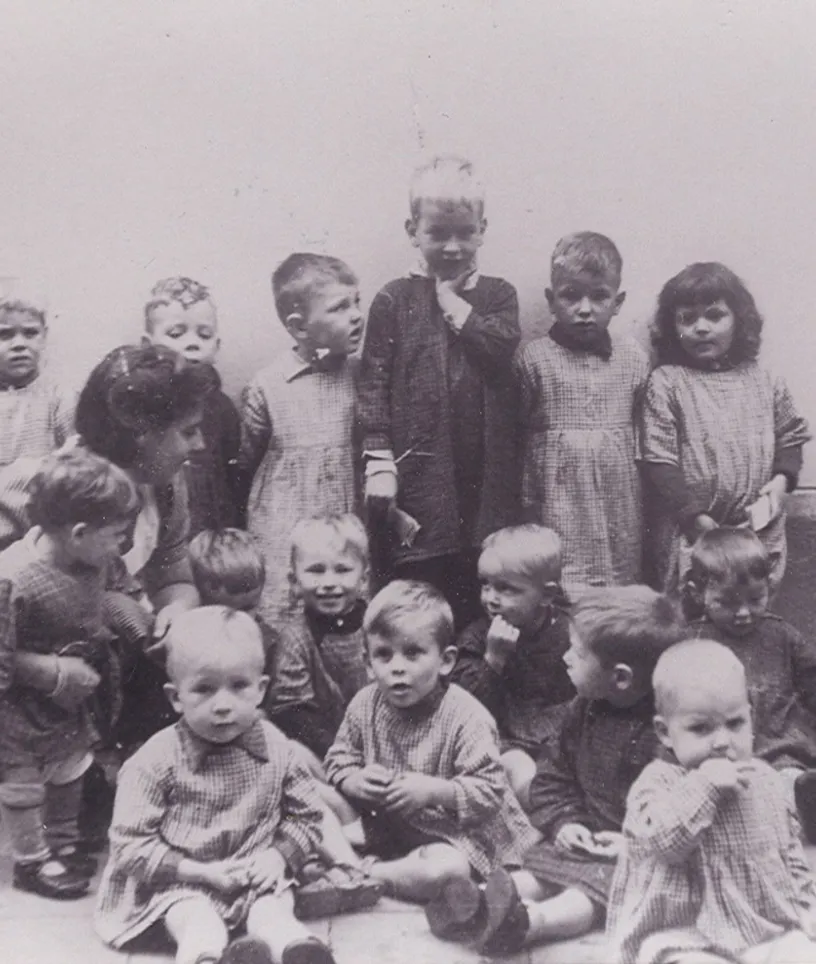
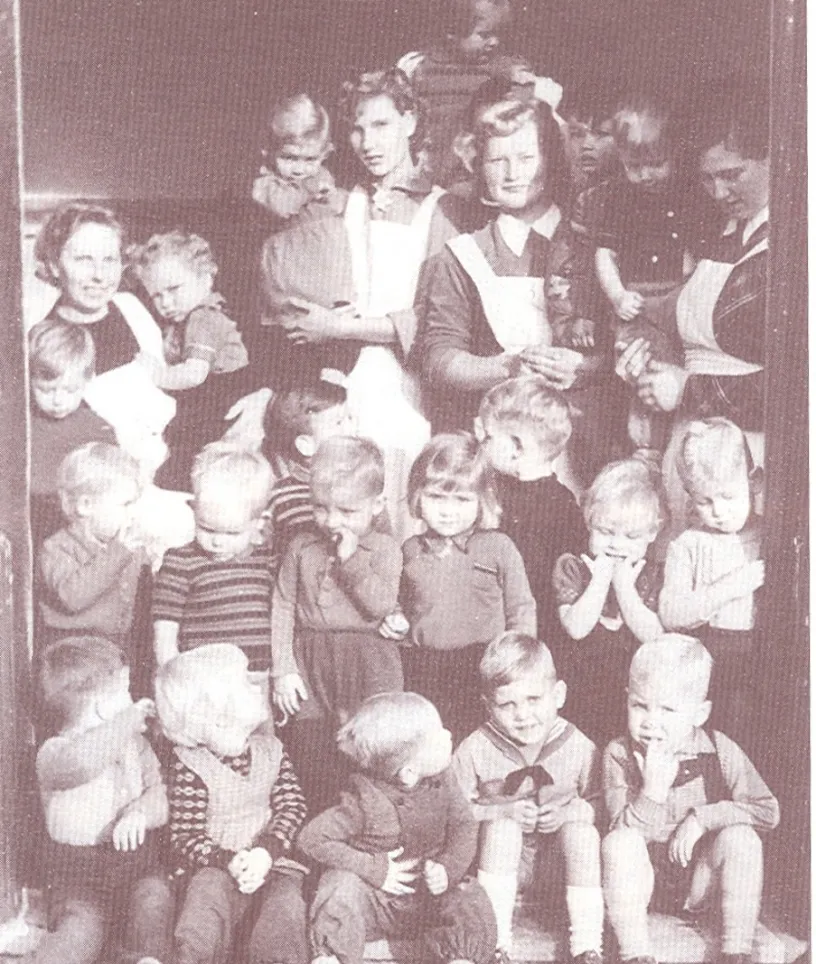
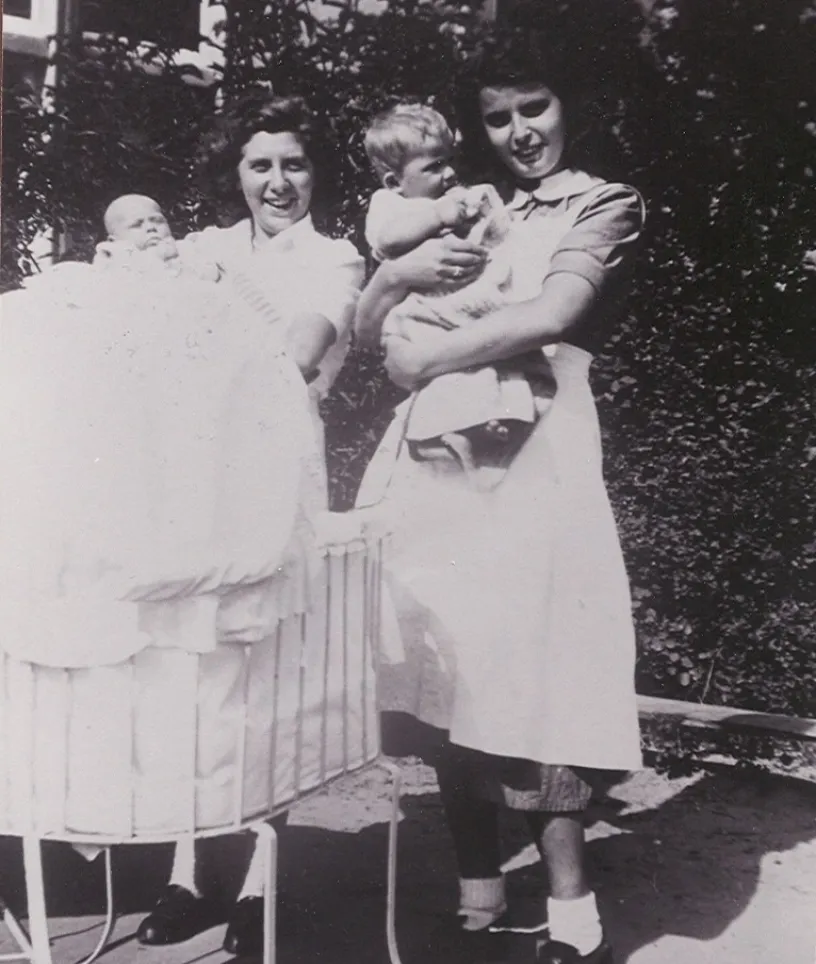
One hundred and twenty years ago, our story began. At a time when there was no social security, no childcare, and no safety net. A group of women from Hilversum believed that children deserved better. What started in 1906 as a day nursery has grown into the socially driven childcare organisation that Bink is today.
How It All Began
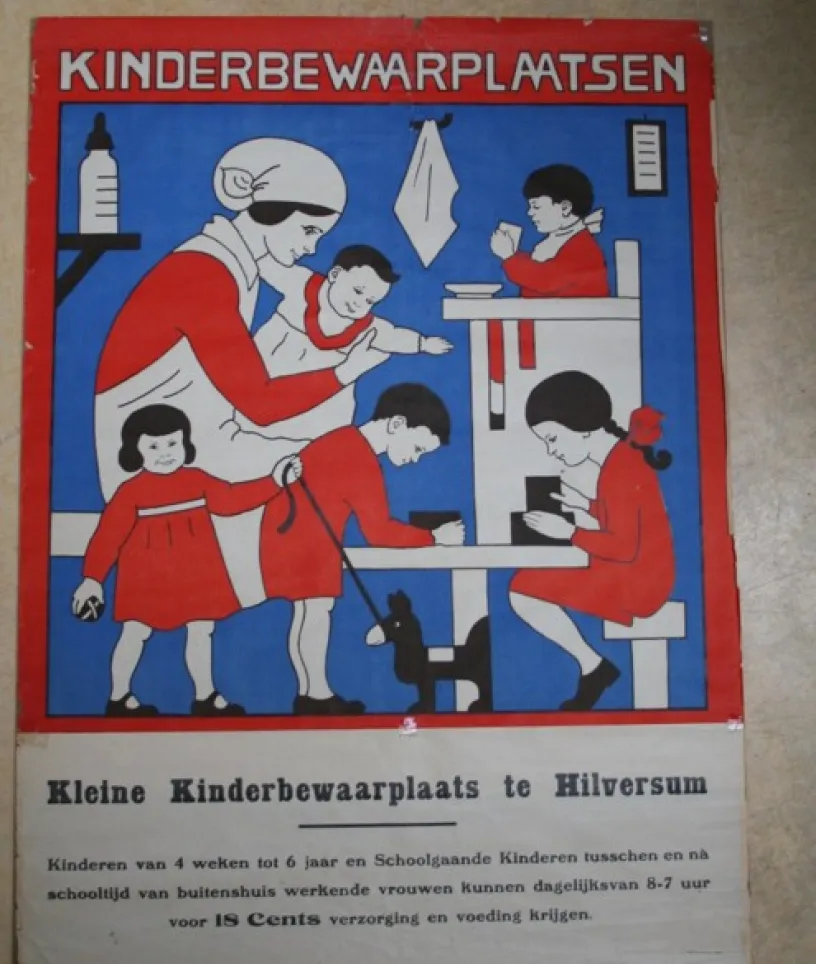
Imagine Hilversum in 1906. There was no childcare, no parental leave, and no support systems. Single mothers went to work “with heavy hearts, knowing that their little ones were left behind without proper care.”
A group of local women decided this simply could not continue. They founded the Association for the Establishment of Day Nurseries and wrote into its statutes that its purpose was “to build a day nursery that meets the standards and needs of the time.”
It was no small ambition for a handful of women who had to organise everything themselves.
From Empty Cots to Bustling Rooms
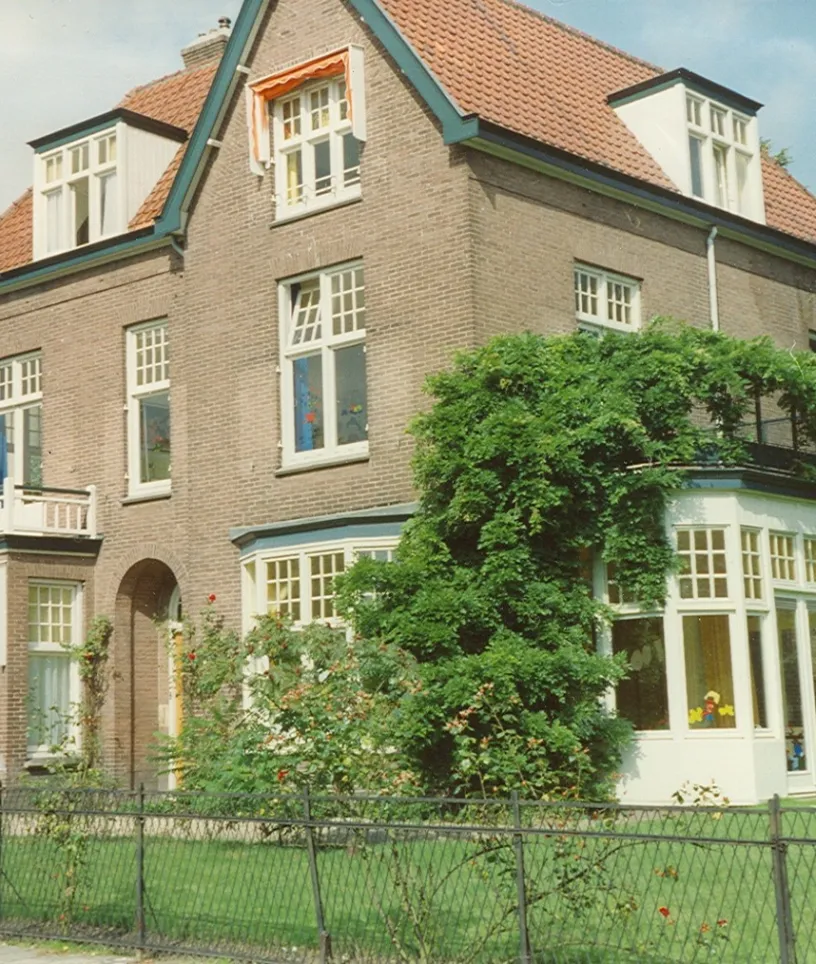
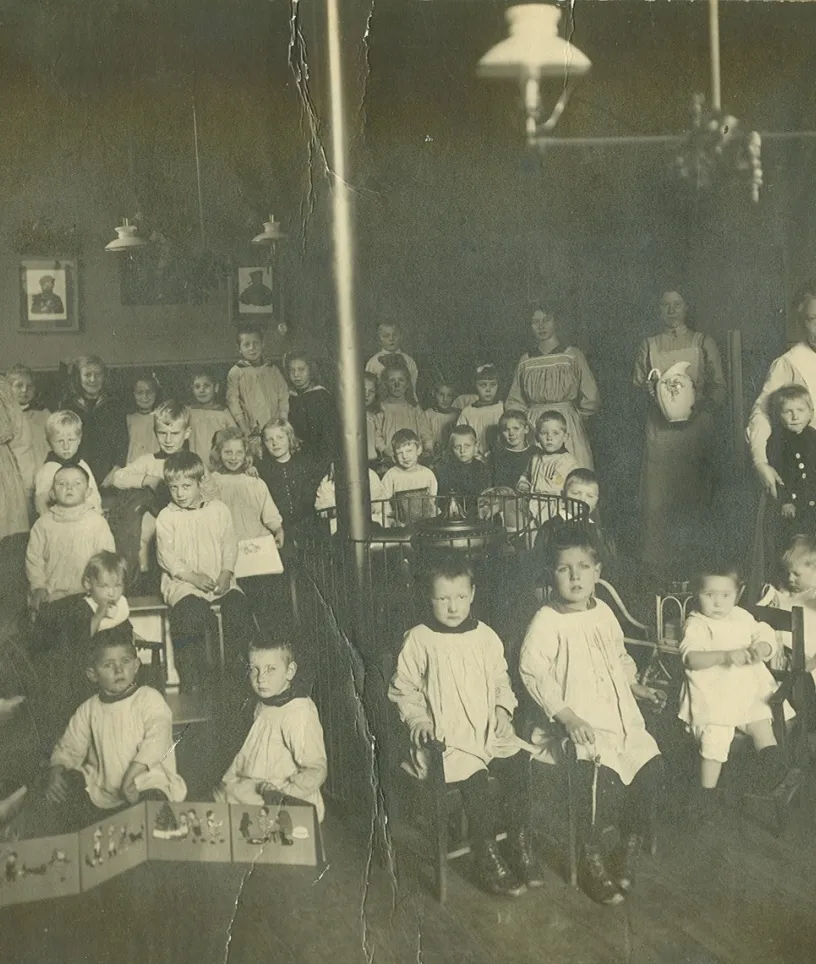
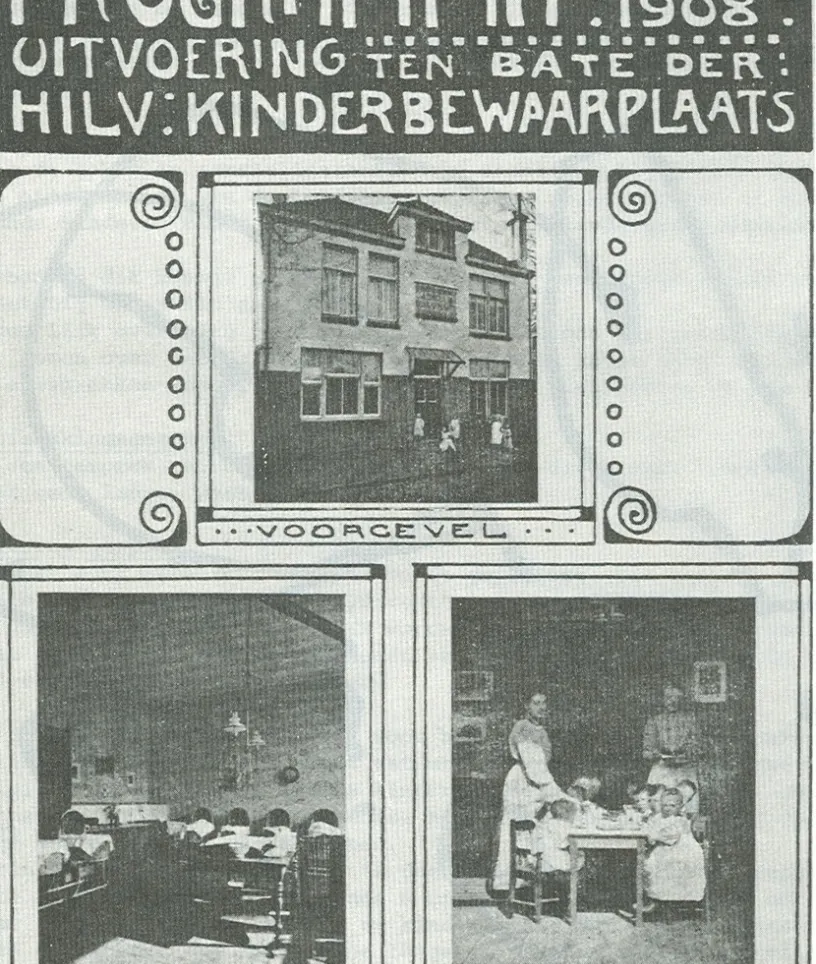
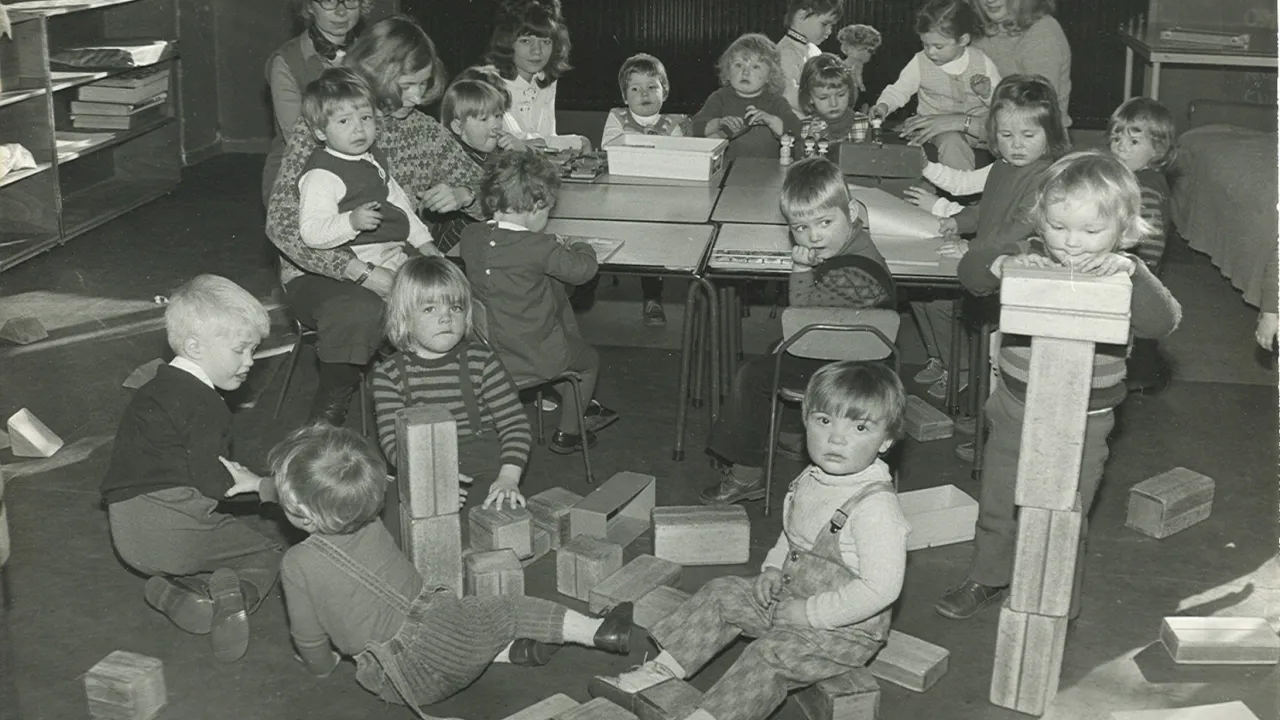
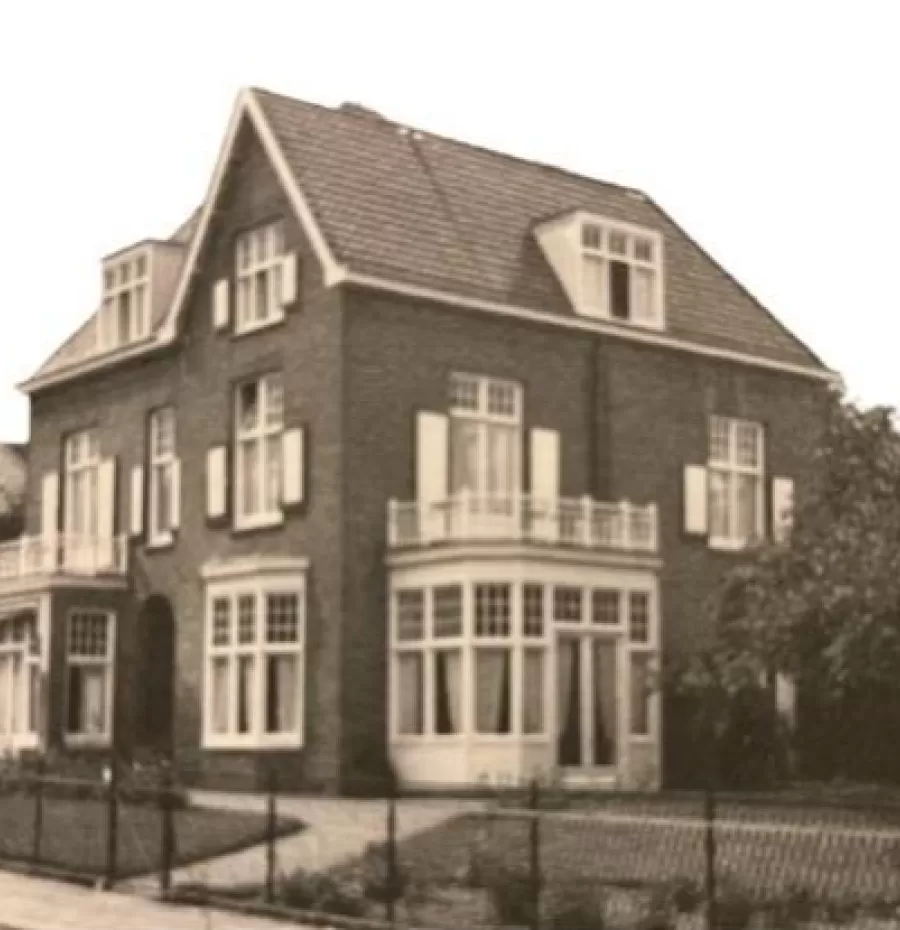
After a series of fundraising fairs, generous donations and two anonymous gifts, the moment finally arrived in 1907. A new building opened at ’t Noordsche Boschje, complete with a nursery, a dining room and space for fifty children a day.
But on opening day? No one came. Not a single child.
Then everything changed. Within days, the nursery was full. The old registers tell the story in remarkable detail: who attended, when they came, and what their parents paid. The fee was “13 cents per child per day”, reduced to “10 cents per child” for families with more than one child. Mothers who came to breastfeed their babies themselves paid just five cents.
The Ladies of the Linen Cupboard
The organisation was run entirely by women who not only developed the plans but also carried them out. The Household Regulations of 1906 are wonderfully detailed.
Article 6: “The Lady in Charge of Linen shall count all linen every two months … and shall make no purchases exceeding 10 guilders without authorisation.”
Article 7: “The Visiting Ladies shall inspect the nursery in turn each day … and record their observations in the logbook.”
In short, everything was built around a simple foundation: oversight, order and routine. A far cry from the quality systems we know today.
The Smell of Brown Beans
The headmistress, Mrs Verdoorn, lived in the apartment above the nursery. Her salary was “5 guilders per week, together with free accommodation, board and laundry.”
During the winter months, she rose before dawn to light the coal stove so the building would be warm when the children arrived.
They really were different times, as this recollection from 1919 shows:
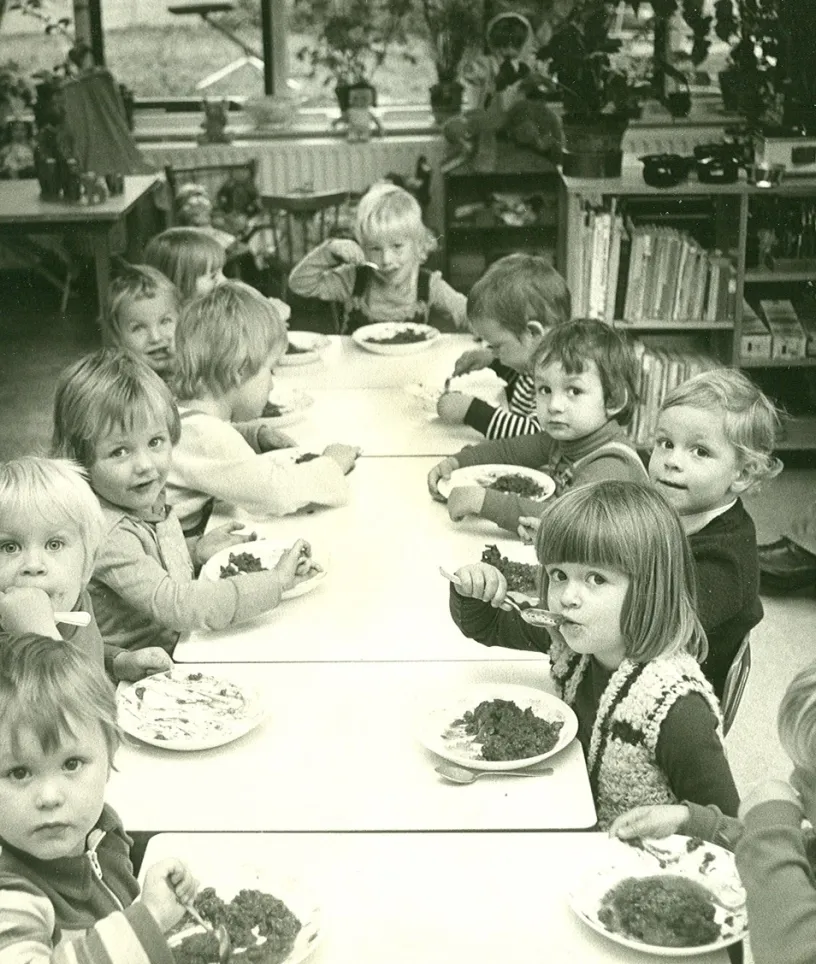
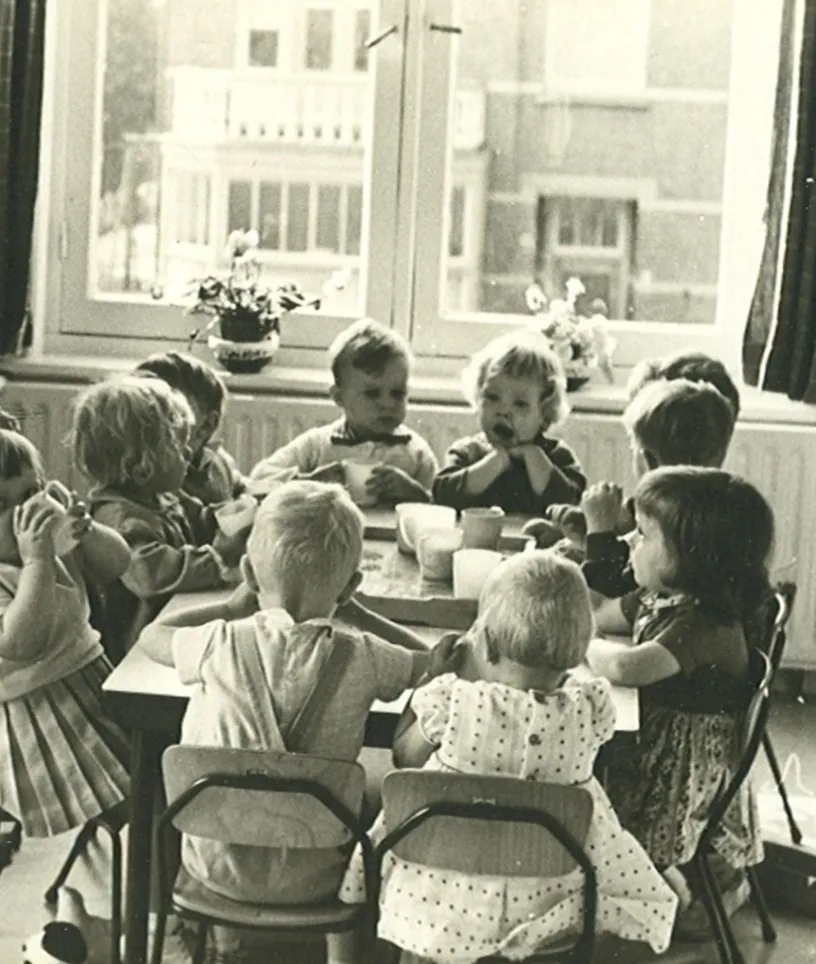
“I can still remember the brown beans and the porridge we had to eat as we sat together at the long table.”
Rapid Growth and a New Name: Bink
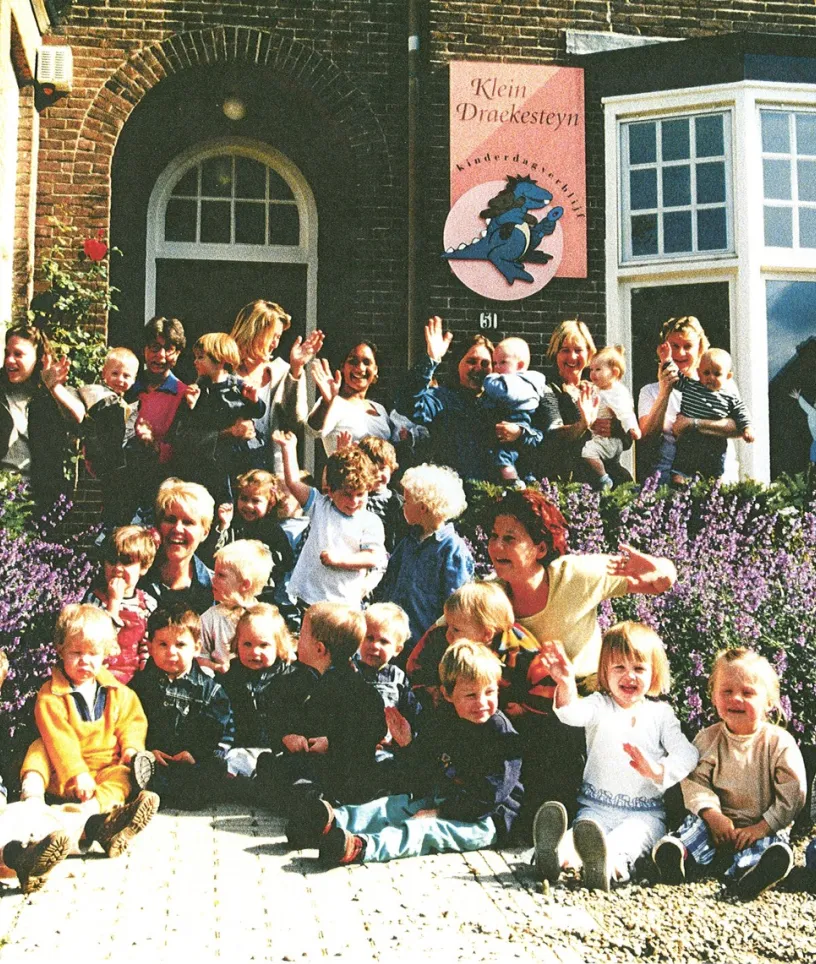
From 1990 onwards, the organisation grew rapidly. New after-school care locations opened, more daycare centres were established, and several smaller childcare foundations joined the organisation.
In 1994, these foundations came together to form the Hilversum Childcare Foundation. Around the same time, a similar development took place in Soest with the establishment of the Soest Childcare Foundation.
A new chapter began in 2012, when the two foundations merged and continued under a new name: Bink, a socially driven childcare organisation.